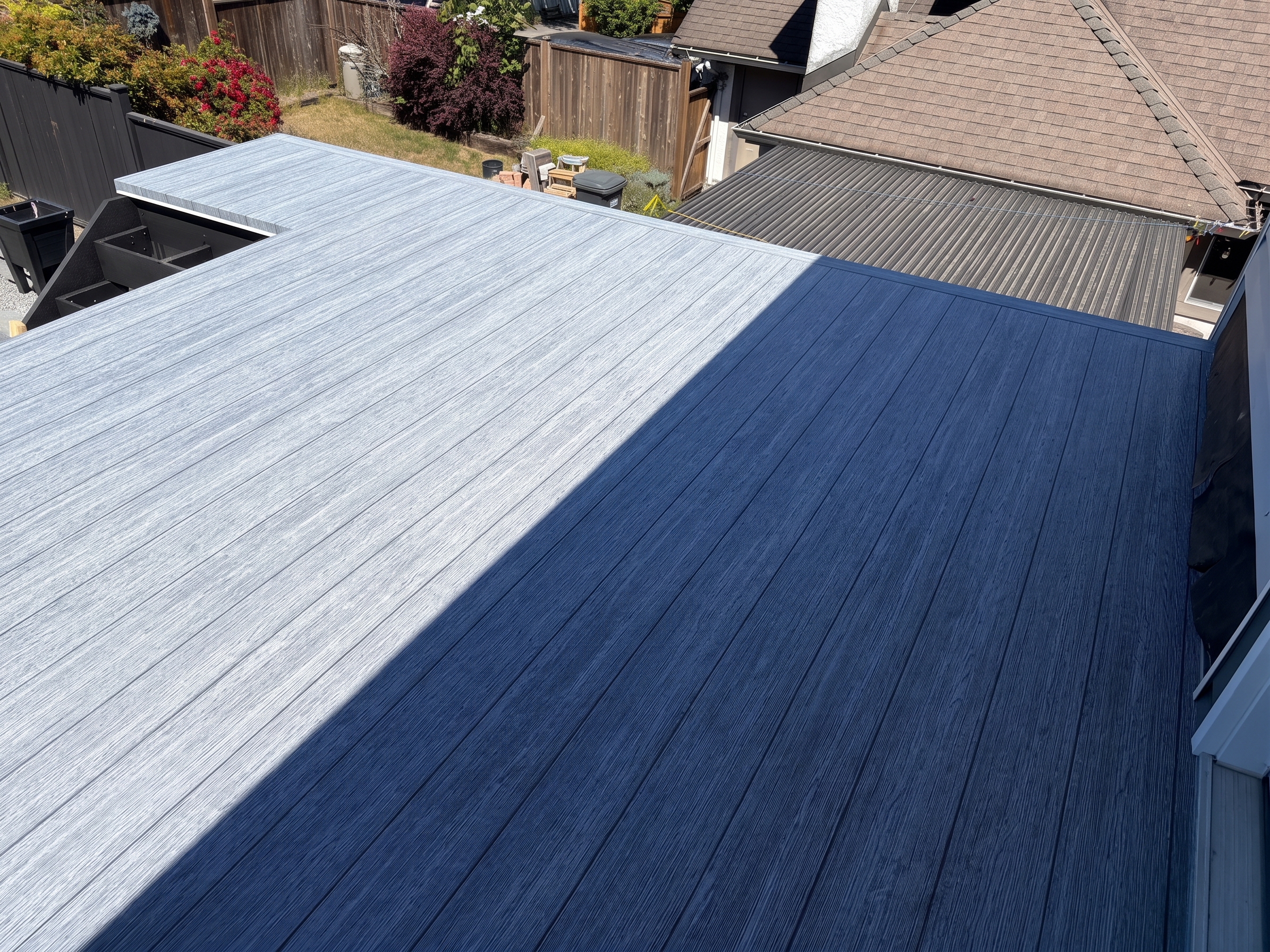
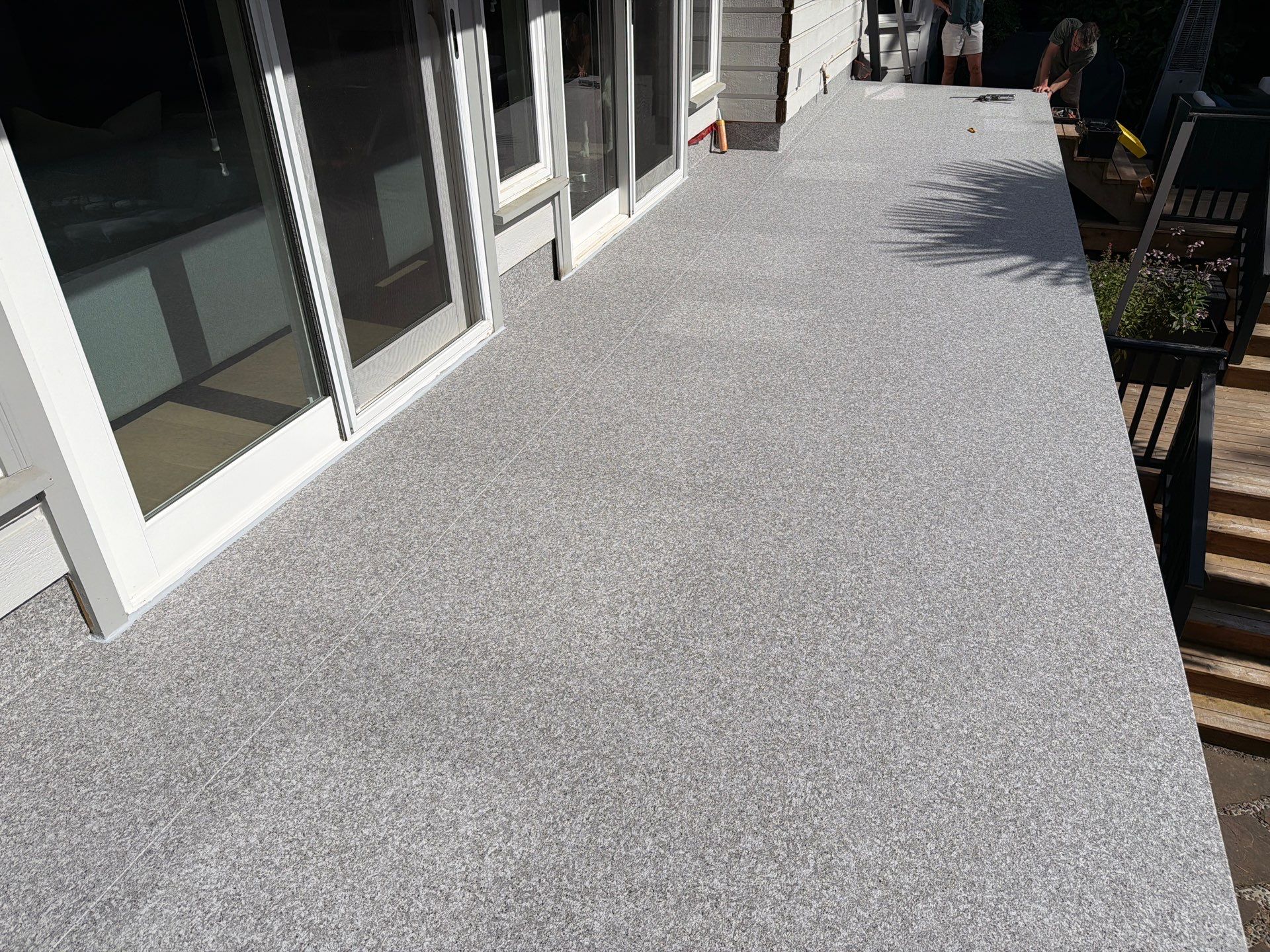
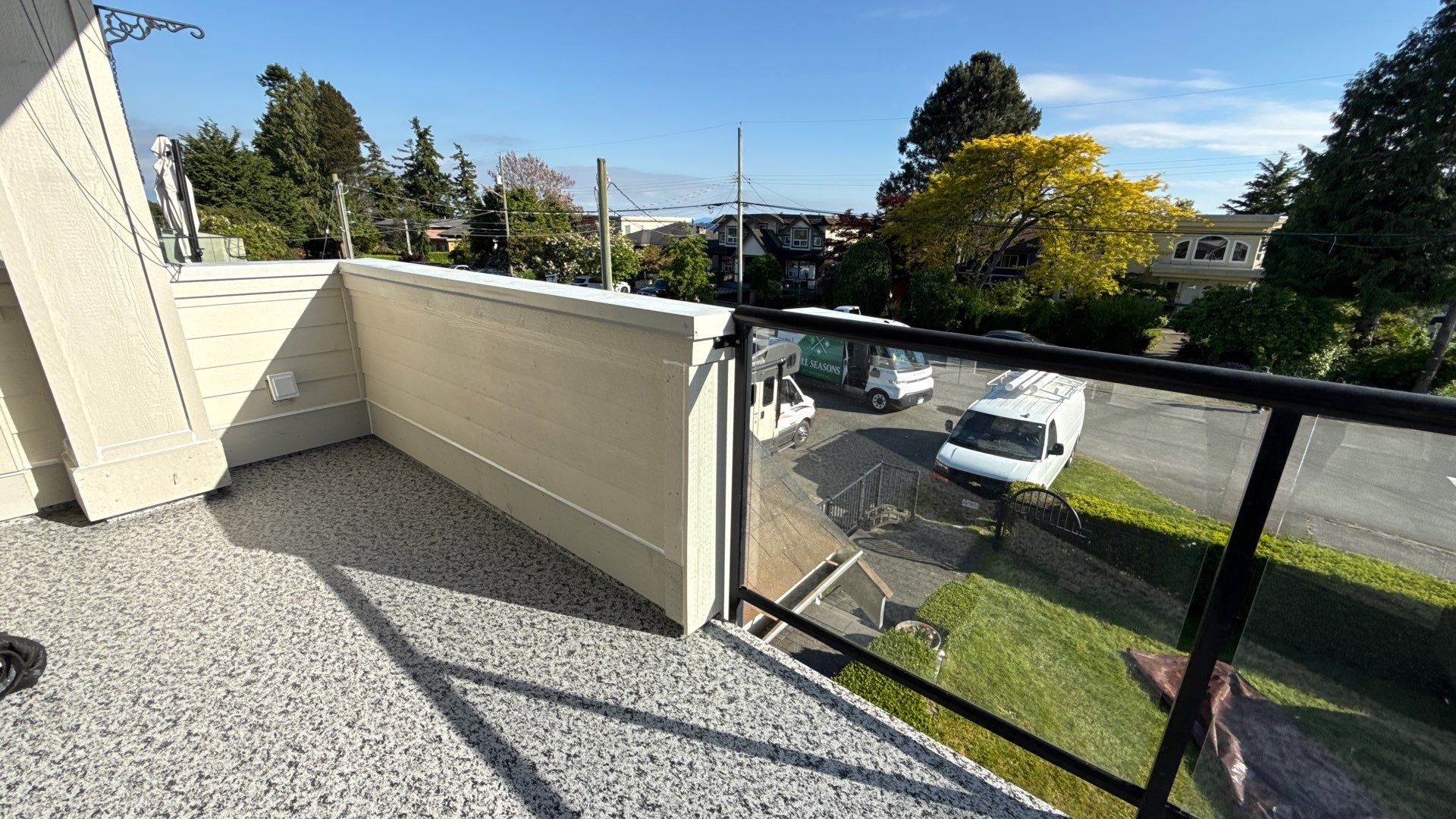
Vinyl decking pros and cons come down to waterproofing, upkeep and installation quality. A sheet membrane combines the walking surface with waterproof protection, but it needs sound preparation and careful detailing. Valordek backs both membrane lines with a 15-year waterproofing warranty, subject to installation requirements and coverage terms.
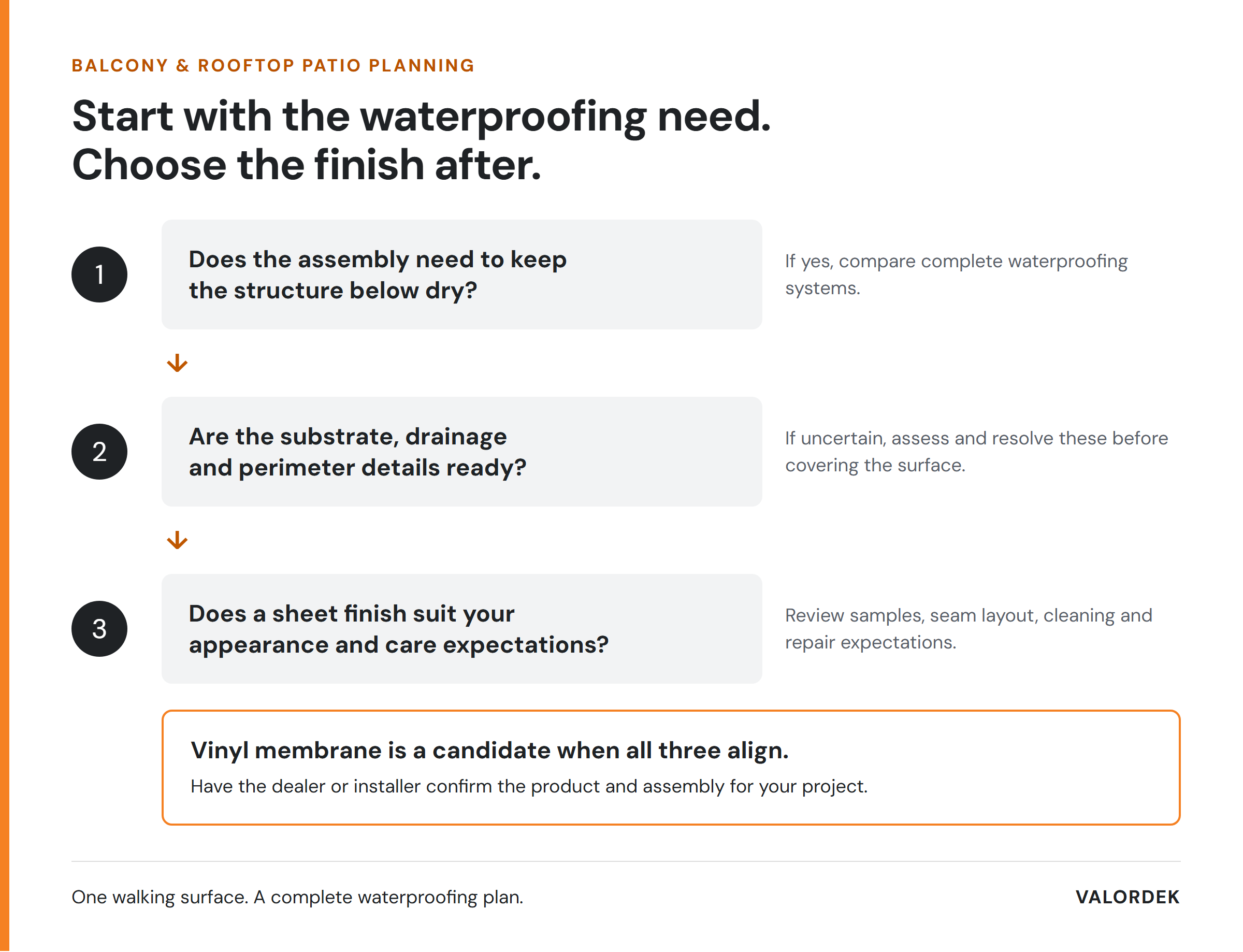
For a balcony or rooftop patio, the most useful question is whether the surface needs to keep the structure underneath dry. If it does, compare complete waterproofing systems, including their edges, drains and wall connections. A material that tolerates rain is not necessarily a system that stops rain reaching the plywood below.
This guide focuses on sheet vinyl decking: a bonded membrane with heat-welded seams. It weighs the benefits against the compromises you will actually live with, including cleaning, visible repairs, surface appearance and installation work. Use it to decide whether vinyl fits your project before choosing a pattern or asking for a quote.
What are the main advantages of vinyl decking?
The finish also provides waterproofing
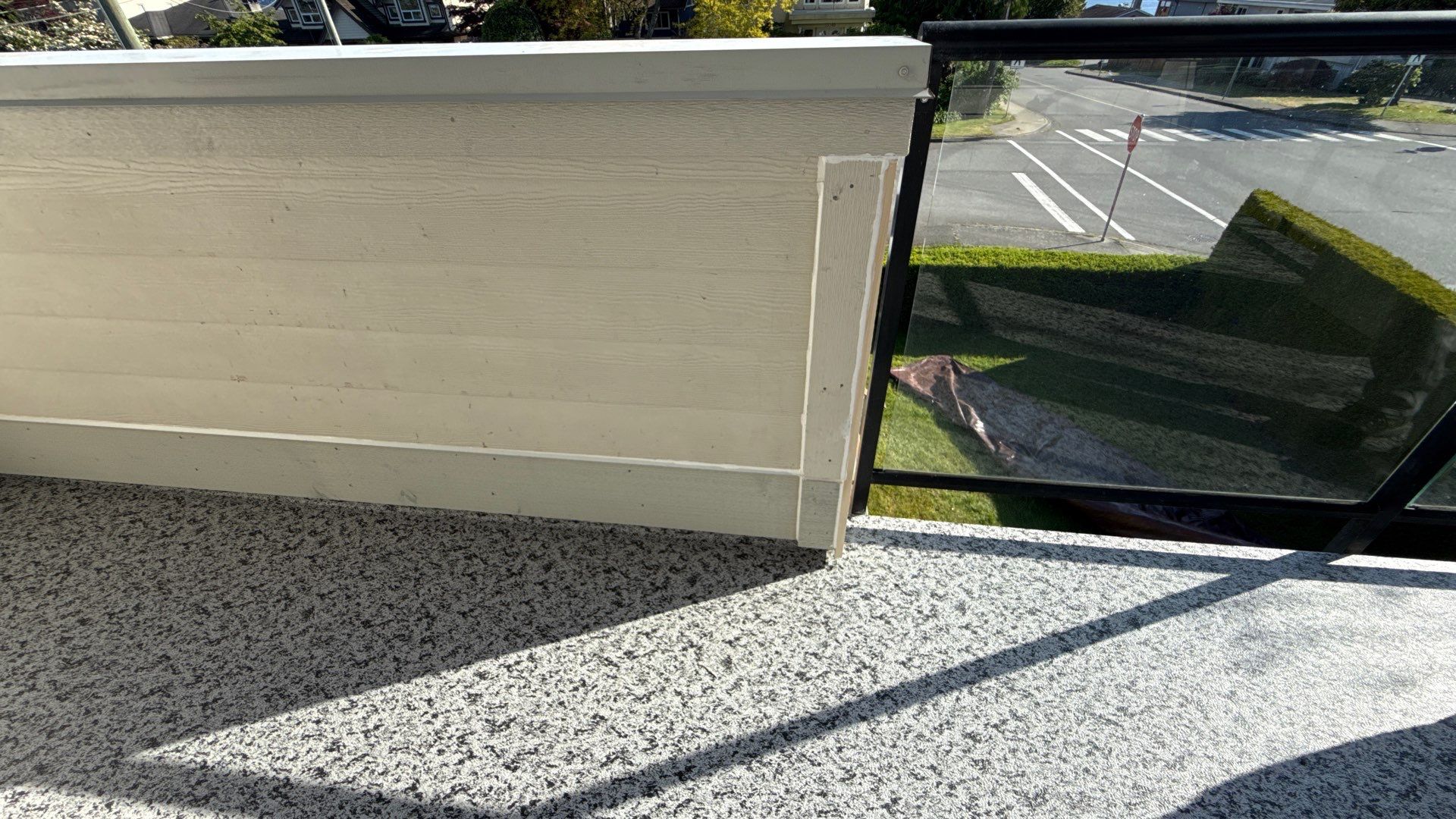
A vinyl deck membrane serves two purposes: it is the surface you walk on and part of the waterproofing assembly. The sheets bond to the substrate, and the seams are joined with heat. Correctly integrated flashing and drainage complete the system at its boundaries.
That combination makes vinyl relevant to balconies and rooftop patios, where a decorative finish alone does not solve water entry. You do not need a separate layer of deck boards simply to make the membrane a usable walking surface. The assembly still needs to suit the building, however. A waterproof sheet cannot compensate for an incorrectly detailed door threshold or a blocked drain.
There is no routine sanding or staining
Vinyl avoids the recurring sanding and staining associated with a wood walking surface. Routine care is mainly removing dirt and debris, washing with appropriate mild cleaning products, and checking the details around the membrane.
The important distinction is low maintenance versus no maintenance. Valordek's warranty requires regular surface care and annual sealant inspection, with resealing where needed. That is a manageable routine, but it still belongs in the ownership decision. Our vinyl decking maintenance guide explains the ongoing checks in more detail.
You can choose a decorative finish without changing the basic system
Wood-look, stone-look and classic patterns offer different visual treatments within the vinyl membrane category. The pattern does not turn the sheet into separate boards or tiles. It remains a continuous surface with welded joins.
Look at a physical sample alongside your siding, door trim and railing. A small screen image cannot show exactly how the texture and pattern will read across the whole balcony. Ask the dealer which finishes are available in the membrane specification your project needs before settling on a colour.
What are the downsides of vinyl decking?
Preparation and detailing matter as much as the material
The main limitation is that vinyl cannot fix an unsuitable structure by covering it. The installer needs a sound substrate and a planned route for water to leave. Wall connections, door thresholds, edges and penetrations must work together with the membrane.
If an existing balcony has soft areas, ongoing leaks or questionable drainage, have those conditions assessed before pricing the finish. Otherwise, a quote for a new surface can leave the underlying problem untouched. Ask what preparation is included and how unexpected substrate damage will be handled once the old surface is removed.
Installation also involves more than spreading adhesive. Heat-welding and the treatment of transitions are part of the waterproofing work. Valordek's technical resources support project planning; the applicable installation details should guide the actual assembly.
The surface needs protection from physical damage
A waterproof membrane is not an indestructible surface. Dragging sharp objects across it, making unplanned penetrations or using unsuitable cleaning products can damage the finish or compromise waterproofing. Move furniture carefully and ask about suitable protection under anything with concentrated contact points.
Think about how you use the balcony before choosing the surface. If you regularly move heavy objects, that handling deserves a plan. Do not assume a membrane warranty covers damage caused by use: manufacturing-defect coverage and accidental damage are different things.
A repair may remain visible
A local repair can be practical when the surrounding membrane and substrate are sound. It may not disappear visually. A patch can introduce another edge, and new material may differ from an older surface in colour or appearance.
Ask the installer what a realistic repair would look like, not just whether repair is possible. For an existing damaged surface, the vinyl deck repair guide explains the decision between a contained repair and wider replacement. Do not use household caulk or a decorative coating as a substitute for a compatible membrane repair.
Temperature ratings do not promise barefoot comfort
Valordek publishes an operating range of -40°C to 80°C. That describes the product's stated performance range, not a guarantee that the surface will feel cool in direct sun. Surface comfort depends on exposure and conditions at your balcony.
If barefoot use is important, examine samples outdoors and discuss the project's sun exposure with your dealer. Do not interpret a material temperature rating as a measured skin-contact temperature. Likewise, slip-resistant embossing does not make a surface slip-proof when it is dirty, wet or icy.
The look and feel remain those of a sheet surface
A printed wood pattern can complement a home, but it does not feel exactly like natural timber. Welded joins may also be visible. If the appearance of individual boards is your main priority, see an installed membrane and review the proposed seam layout before you order.
These are design preferences worth resolving early. Ask how the pattern will run, where joins will fall and how perimeter details will look. A small sample is useful for colour selection; a project photo or an installed example is better for understanding the finished surface.
How do the benefits and limitations compare?
Use the following checklist when discussing a quote. It separates the benefit you are buying from the condition needed to get it.
| Decision point | Vinyl membrane benefit | What to check |
|---|---|---|
| Waterproofing | Walking surface and waterproof membrane in one finish | Complete detailing at seams, walls, doors, edges and drains |
| Maintenance | No routine sanding or staining of the membrane | Regular cleaning and annual sealant inspection remain necessary |
| Warranty | Valordek lists 15-year waterproofing and 5-year appearance terms for both lines | Certified installation with approved components; read coverage and exclusions |
| Temperature range | Valordek publishes -40°C to 80°C | This is not a barefoot-comfort guarantee |
| Membrane price | Valordek lists a starting material price of $3.74 CAD per square foot | Preparation, adhesive, accessories and installation add to the project cost |
| Repairability | Local damage may be repairable after assessment | A patch may remain visible; underlying damage changes the scope |
Price and specifications: Valordek products and certifications. Coverage conditions: Valordek warranty. Compare written project quotes on the same scope rather than comparing a membrane-only price with another contractor's installed total.
When is a vinyl membrane a good choice?
Vinyl is worth considering when your balcony or rooftop patio needs waterproofing and you want the membrane itself to be the finished walking surface. It is especially useful to evaluate where water entry could affect the structure or space below.
A good fit also depends on your expectations. You should be comfortable with a sheet finish, routine cleaning, periodic inspection and the possibility of a visible patch if damage occurs. Those expectations make the ownership experience more predictable than choosing solely from a colour sample.
For balcony waterproofing, start with the condition of the existing substrate and perimeter details. For a rooftop patio, have the contractor identify the suitable membrane specification and assembly before selecting the finish. The product and detailing need to fit the job together.
What should you ask before accepting a quote?
A useful quote explains the assembly and scope, not just the square footage. Ask these questions while the project is still being planned:
- What condition is the substrate in? Clarify inspection, removal and any allowance for repairs.
- How will water leave the surface? Identify the intended drainage route and the treatment of edges or drains.
- How will the membrane meet the building? Ask about the wall connection, door threshold and railing penetrations relevant to your balcony.
- What will the finished surface look like? Review the actual sample and proposed seam layout.
- Which costs and warranties are included? Separate membrane material, preparation, installation workmanship and product coverage.
If the answers are unclear, resolve them before choosing a finish. A reliable comparison is between two complete scopes with understandable exclusions. Our vinyl decking cost guide helps separate the material price from the work needed to install it.
Frequently asked questions
Is vinyl decking good?
Vinyl decking is a good fit when a balcony or rooftop patio needs a waterproof walking surface and you want low routine upkeep. Valordek combines a decorative membrane with waterproofing. The tradeoffs are preparation, careful installation, ongoing inspection and the need to protect the surface from damage.
Is vinyl decking cheaper than wood?
There is no universal price winner because the scopes differ. Compare complete installed systems, including any waterproofing required beneath a wood surface. Valordek's membrane starts at $3.74 CAD per square foot, but that excludes preparation, accessories and installation. Request itemized quotes for the same balcony requirements.
Is vinyl decking slippery when wet?
Vinyl decking can be slippery in wet or contaminated conditions, even when it has a textured finish. Valordek lists slip-resistant embossing, which does not mean slip-proof. Keep the surface clear of leaves and debris, follow the care guidance, and take extra care when rain or ice affects footing.
How long does vinyl decking last?
Service life depends on the membrane, installation, exposure, maintenance and damage over time. Valordek provides a 15-year waterproofing warranty and a 5-year appearance warranty on both product lines, subject to its terms. Warranty length is a coverage period, not a promise of an exact replacement date.
How to clean outdoor vinyl decking?
Remove loose dirt and debris, then use mild soap and warm water with a soft brush for routine marks. Follow Valordek's care instructions for the particular stain. Avoid harsh chemicals, abrasive cleaners, sharp objects and high pressure-washer settings. Regular cleaning also makes it easier to notice surface damage.