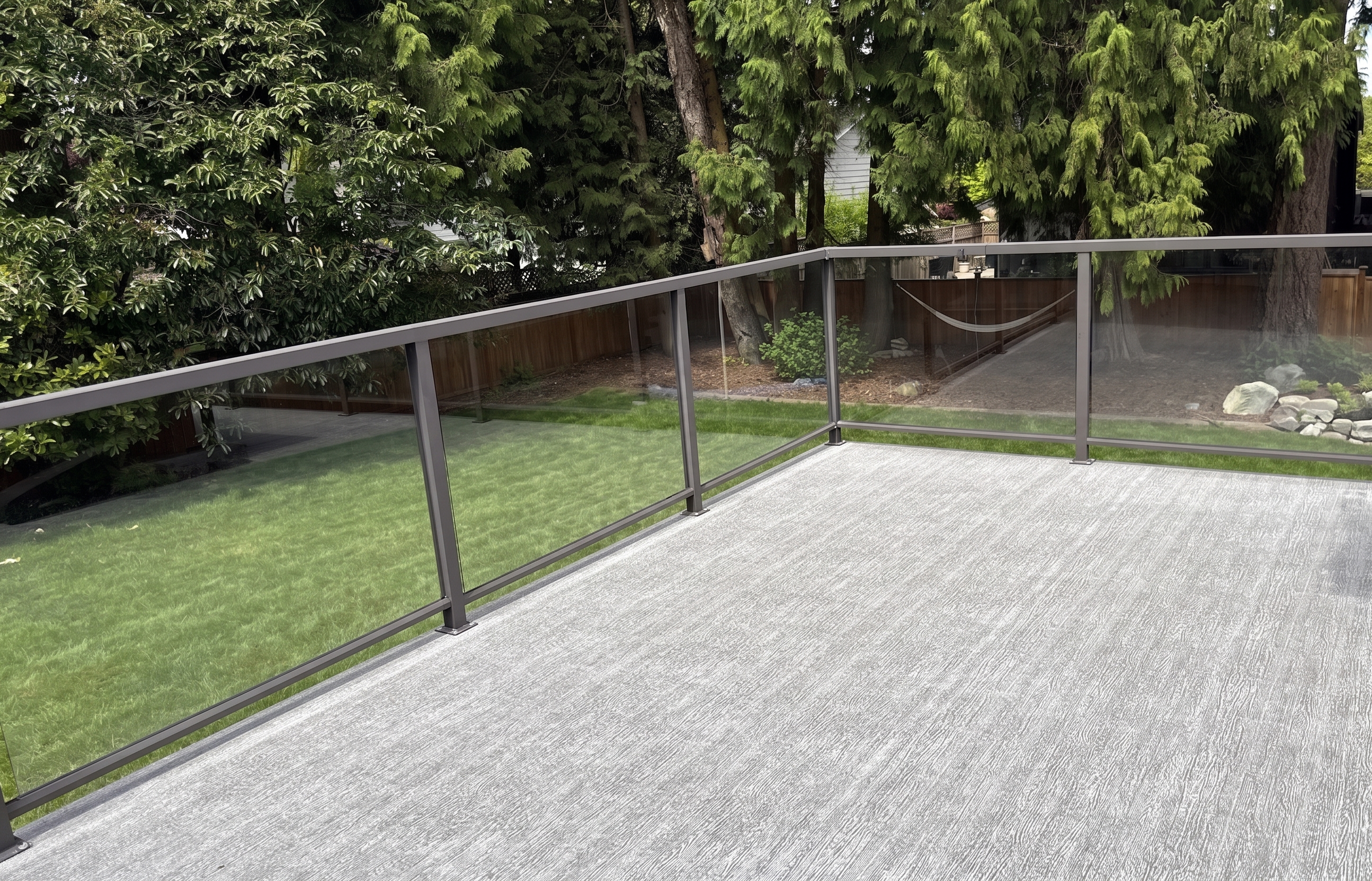
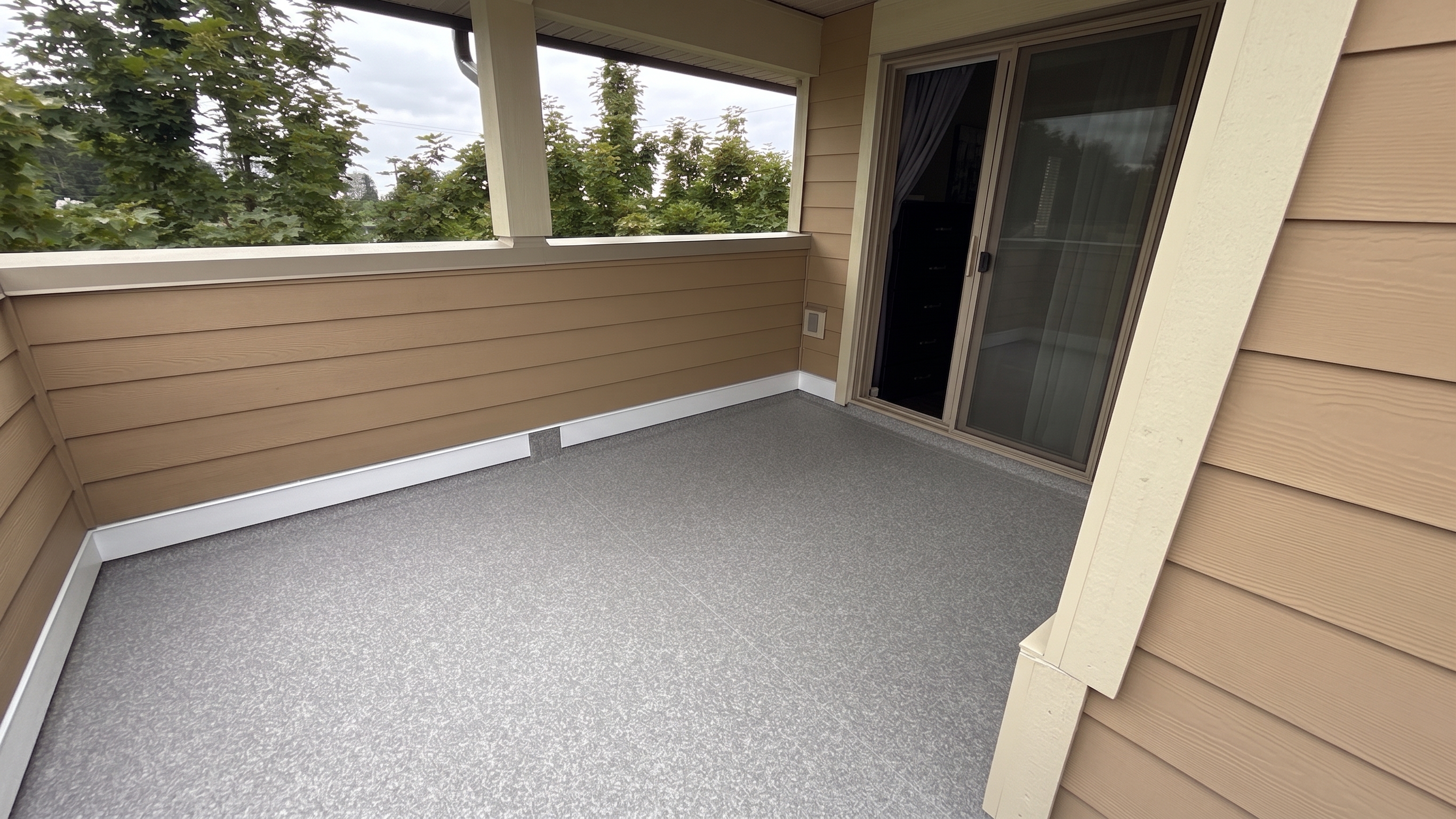
Thicker vinyl decking is not automatically better. Mil rating measures membrane thickness, but backing type and the application it is built for determine real-world performance, not thickness alone. Valordek manufactures a 60mil reinforced membrane engineered for rooftop decks and a 68mil fleece-backed membrane engineered for balconies. Both exceed building code 37.54.95 for waterproofing and carry a 15-year waterproofing warranty. The right choice depends on where the deck is, not which number is higher.
There is a common claim in the vinyl decking industry that 60mil is the ideal thickness and that anything thicker creates installation problems. That claim is only half the picture. Thickness measured in mils tells you how thick the PVC layer is, but it says nothing about what the membrane is bonded to or what application it was designed for. A 60mil membrane and a 68mil membrane can be two different products built for two different jobs. This guide explains what mil actually measures, why backing type is the more important spec, and how to match thickness to your project. For full product details, see the Valordek products page.
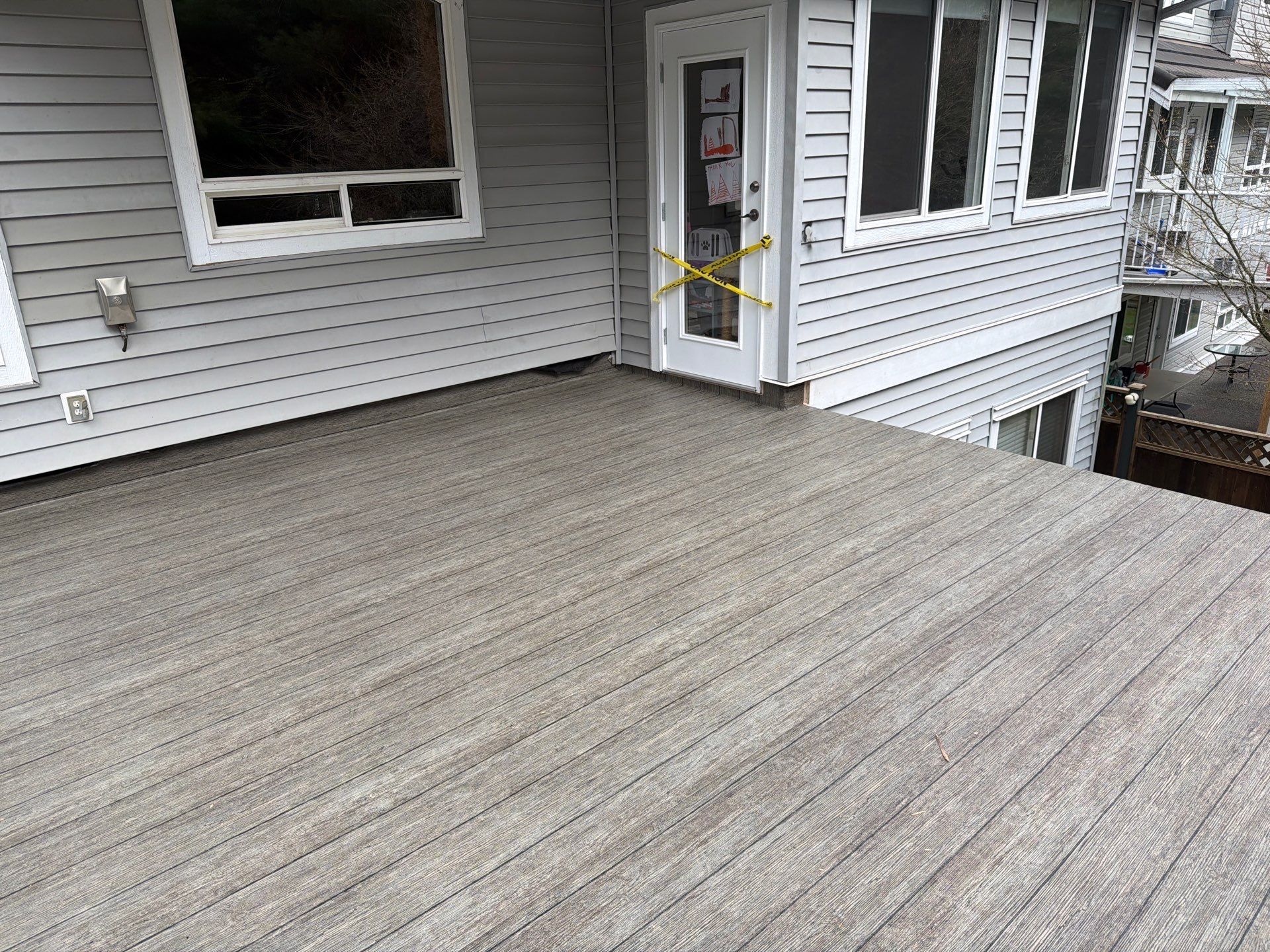
What Does "Mil" Mean in Vinyl Decking?
A mil is one-thousandth of an inch (0.001"), and in vinyl decking it measures the total thickness of the PVC membrane. A 60mil membrane is 0.060 inches thick and a 68mil membrane is 0.068 inches thick, a difference of eight thousandths of an inch. Mil is a useful spec, but it is only one of several that determine how a membrane performs.
Thickness affects the membrane's body, wear layer, and how it handles foot traffic, but it does not by itself determine waterproofing, seam strength, or whether a membrane suits a balcony or a rooftop. Two membranes at the same mil rating can perform very differently depending on their backing, reinforcement, and PVC formulation. This is why comparing membranes on mil count alone is misleading. The number is real, but it is not the whole specification.
Is Thicker Vinyl Decking Better?
Thicker vinyl decking is not better in every case, and beyond the waterproofing threshold extra thickness does not add waterproofing protection on its own. A properly installed 60mil membrane and a properly installed 68mil membrane both create a fully waterproof surface. What changes between them is the backing and the application each is engineered for, not their waterproofing ability.
The legitimate point behind the "thicker is not always better" argument is that membrane body interacts with detailing. A membrane has to wrap drains, scuppers, corners, and flashing, and the installer's skill and heat-welding equipment matter far more to a clean detail than the mil count does. The flaw in the argument is concluding that one thickness is correct for every deck. A balcony and a rooftop are different environments with different code requirements, structural conditions, and detailing demands. The better question is not "thicker or thinner," it is "which membrane is built for this application." For more on the underlying standards, see our guide to deck waterproofing code requirements.
Why Backing Type Matters More Than Thickness
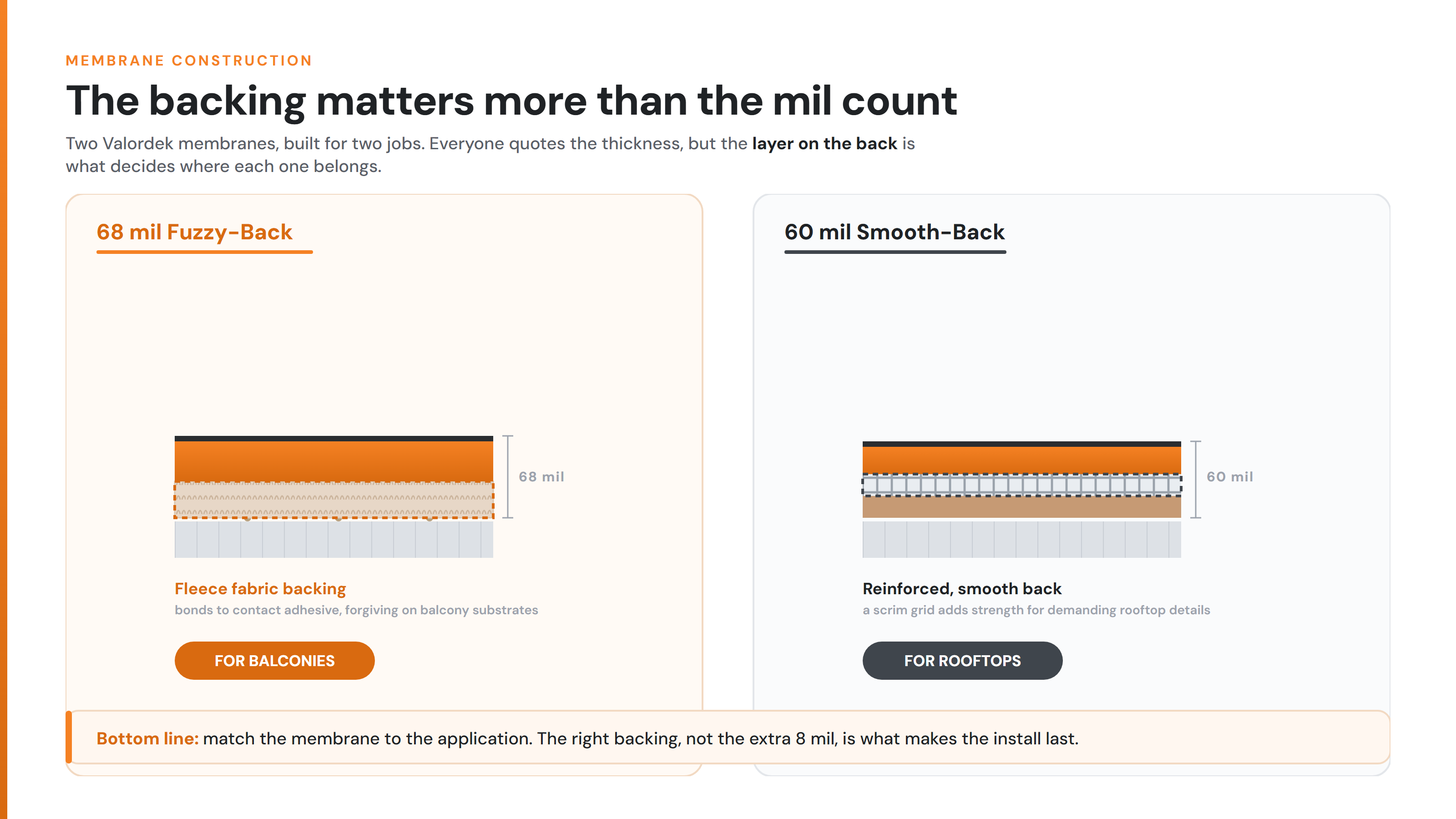
The backing on a vinyl membrane determines how it bonds to the substrate and what application it is built for, which makes backing the more decisive spec than mil rating. Valordek's two product lines are defined by their backing, and that is what matches each one to its job.
- Fuzzy-Back (68mil): A fleece-backed membrane designed for balconies. The fleece backing bonds to the substrate with contact adhesive and gives the membrane body that suits balcony installation. Balconies are the majority of Valordek's business, and this is the product built for them.
- Smooth-Back (60mil): A reinforced PVC-backed membrane designed for rooftop decks. It carries Class A and C fire ratings, installs with PVC flashing on open decks, and is engineered for the complex detailing and code demands of rooftop applications.
The backing also changes how each membrane behaves if it is ever compromised. The fleece backing on the 68mil product can wick moisture across a wider area, while the reinforced PVC backing on the 60mil product tends to keep any intrusion localized to a smaller spot. Neither is a flaw. They are characteristics that fit different applications. A balcony over occupied space and a large rooftop deck call for different membrane systems, which is exactly why Valordek manufactures both rather than stretching one product across every job.
60 mil vs 68 mil Vinyl Deck Membrane: Comparison
The table below compares Valordek's two membrane systems by the specs that actually drive a buying decision. Notice that thickness is only one row, and that application, backing, and code performance tell the real story.
| Spec | Smooth-Back (60mil) | Fuzzy-Back (68mil) |
|---|---|---|
| Thickness | 60 mil (0.060") | 68 mil (0.068") |
| Backing | Reinforced PVC | Fleece |
| Built for | Rooftop decks and patios | Balconies |
| Waterproofing | Fully waterproof, heat-welded seams | Fully waterproof, heat-welded seams |
| Fire rating | Class A and C | Not fire rated (balcony application) |
| Installation | Contact adhesive plus PVC flashing on open decks. Professional install. | Contact adhesive. DIY-possible for experienced installers. |
| Code compliance | Exceeds 37.54.95. Intertek tested. | Exceeds 37.54.95. CCMC tested. |
| Temperature range | -40°C to 80°C | -40°C to 80°C |
| Waterproofing warranty | 15 years | 15 years |
| Failure behaviour | Intrusion stays localized | Fleece can wick moisture wider |
What Thickness Does Building Code Require for Vinyl Decking?
Most building codes that classify a vinyl membrane as a pedestrian-traffic roofing surface set 60mil as the minimum thickness, which is why the 60mil reinforced product exists as a rooftop-rated membrane. That code minimum applies to roofing-classified applications, and Valordek's Smooth-Back 60mil meets it with Class A and C fire ratings and Intertek testing.
The code minimum is sometimes used to argue that 60mil is the only correct thickness for every deck. That misreads what the standard covers. A balcony membrane is not held to the same roofing classification as a rooftop assembly, and the 68mil Fuzzy-Back is engineered for that balcony application with CCMC testing behind it. Both Valordek membranes exceed code 37.54.95 for waterproofing. The standard is a floor that both products clear, not a ceiling that rules thicker membranes out. Choosing by code class means choosing the membrane built for your application, which is the entire reason two product lines exist.
Does Thicker Vinyl Cause Seam or Detailing Problems?
Seam and detailing problems come from installer skill and equipment, not from a few thousandths of an inch of extra thickness. A heat-welded seam is only as good as the welder, the temperature control, and the technician running the tool, and this is true at 60mil and at 68mil alike.
There is a real consideration buried in the concern: rooftop decks have demanding details such as drains, scuppers, parapets, and fire-rated assemblies, and a reinforced membrane built for that work handles those details predictably. That is precisely why the 60mil Smooth-Back is the rooftop product. On a balcony, the detailing is different and the 68mil Fuzzy-Back is built to suit it. The takeaway is not that thicker membranes fail, it is that you should use the membrane engineered for the application and have it installed by a qualified professional. Valordek backs both product lines with a 15-year waterproofing warranty when installed by a certified installer using approved adhesives.
How to Choose: Match Thickness to Your Application
The right vinyl decking thickness is the one attached to the membrane built for your application, so choose by where the deck is before you compare mil ratings. This single decision settles backing, fire rating, installation method, and code class all at once.
- Balcony: Choose the 68mil Fuzzy-Back. The fleece backing and adhesive installation are built for balcony applications, the majority of Valordek projects.
- Rooftop deck or patio: Choose the 60mil Smooth-Back. Class A and C fire ratings, reinforced PVC backing, and PVC flashing make it the membrane for rooftop applications and their code requirements.
- Not sure: A Valordek dealer assesses the structure, slope, drainage, and code class, then specifies the membrane built for it rather than defaulting to a single thickness.
Compare both systems and full specifications on the Valordek vinyl decking hub, then find a local dealer to match the right membrane to your project.
Frequently Asked Questions
Is thicker vinyl decking better?
Not automatically. Beyond the waterproofing threshold, extra thickness does not add waterproofing protection. Backing type and the application a membrane is built for matter more than mil count. Valordek's 68mil Fuzzy-Back is engineered for balconies and its 60mil Smooth-Back for rooftop decks, and both exceed code 37.54.95 with a 15-year waterproofing warranty.
What does mil mean in vinyl decking?
A mil is one-thousandth of an inch, so 60 mil equals 0.060 inches and 68 mil equals 0.068 inches. In vinyl decking, mil measures the total thickness of the PVC membrane. It is a real spec, but backing type, reinforcement, fire rating, and the intended application all matter as much as thickness when choosing a membrane.
What is the minimum thickness for a vinyl deck membrane?
Building codes that classify vinyl as a pedestrian-traffic roofing membrane generally require a 60mil minimum. Valordek's 60mil Smooth-Back meets that roofing classification with Class A and C fire ratings and Intertek testing. Both Valordek membranes exceed code 37.54.95 for waterproofing, so the code minimum is a floor both products clear.
What is the difference between 60 mil and 68 mil vinyl decking?
The difference is application, not just thickness. Valordek's 60mil Smooth-Back uses a reinforced PVC backing built for rooftop decks with fire ratings, while the 68mil Fuzzy-Back uses a fleece backing built for balconies and adhesive installation. Both are fully waterproof with heat-welded seams and carry a 15-year waterproofing warranty.
Does thicker vinyl decking cause more seam problems?
No. Seam quality depends on the installer's skill and heat-welding equipment, not on a few thousandths of an inch of thickness. A properly heat-welded seam is fully waterproof at both 60mil and 68mil. Valordek backs both product lines with a 15-year waterproofing warranty when installed by a certified installer using approved adhesives.