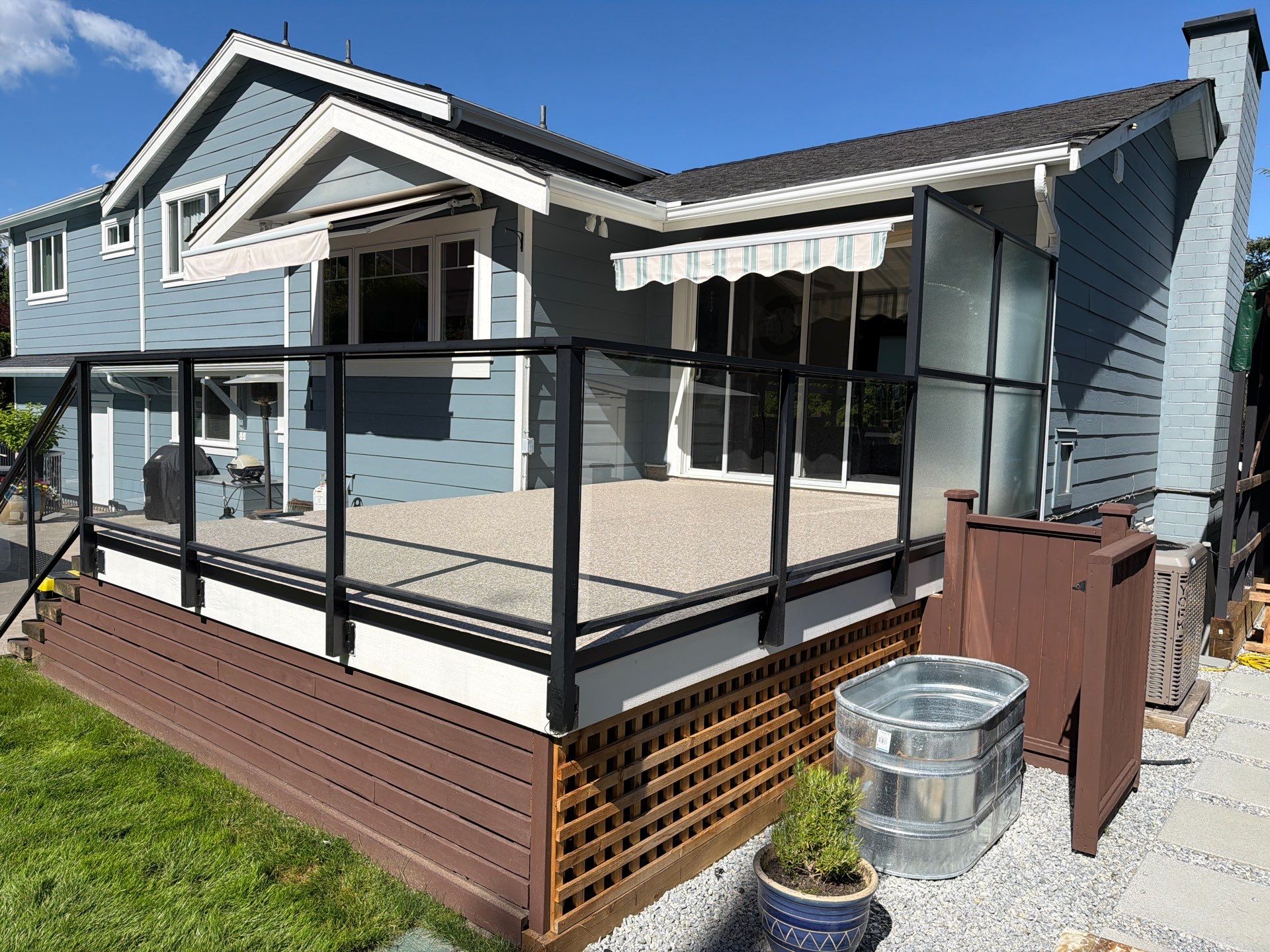
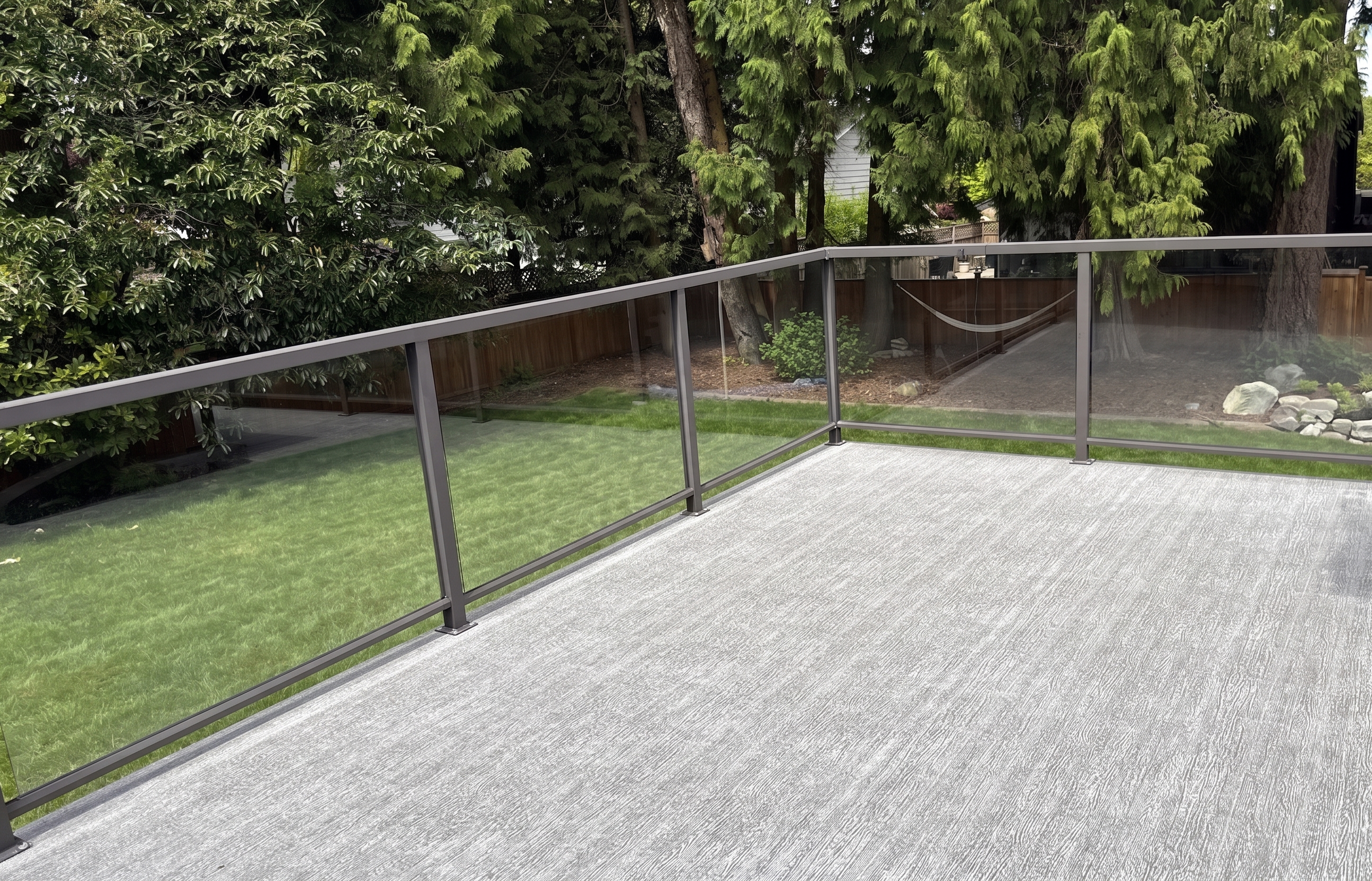
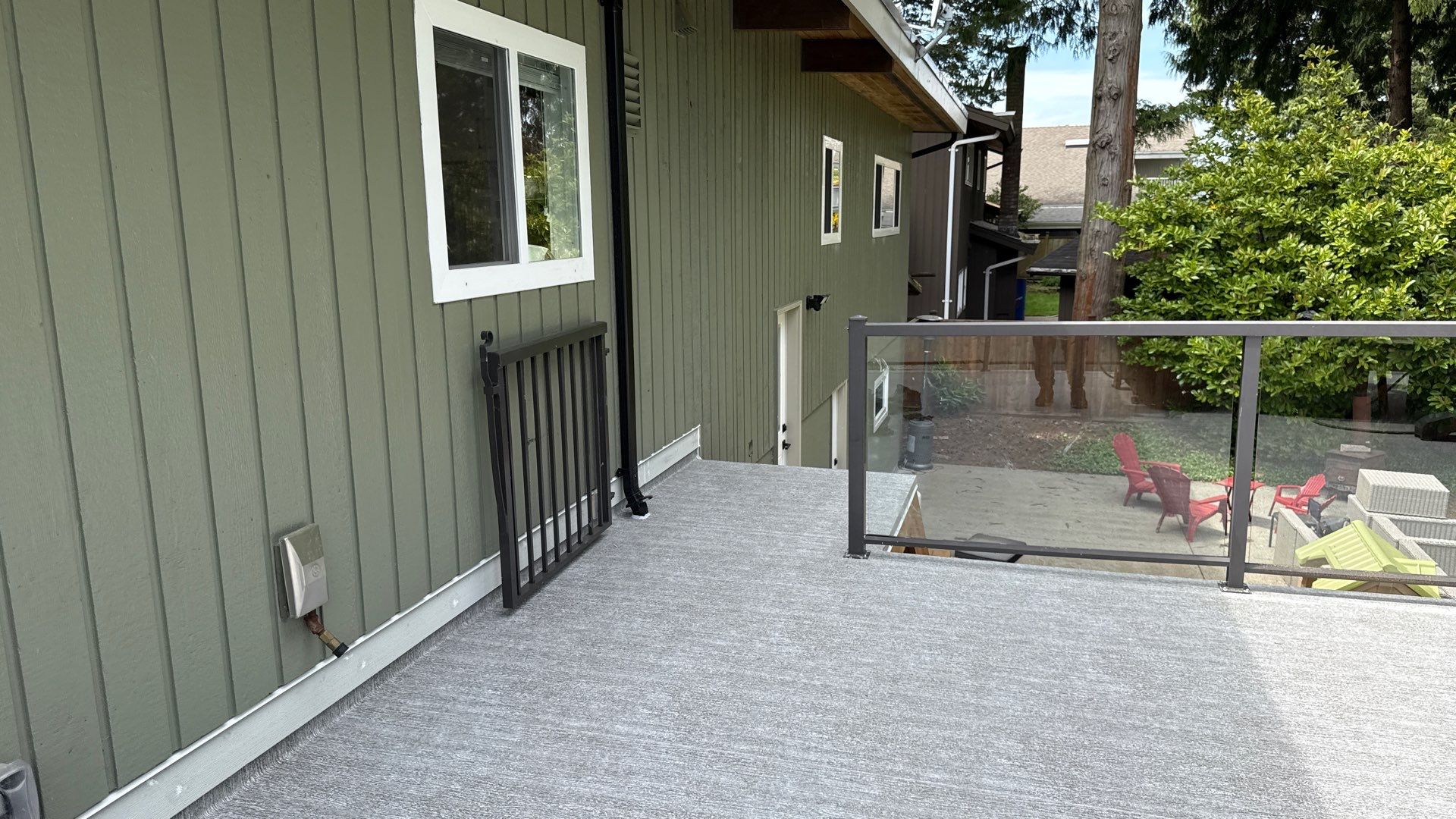
Vinyl decking is not inherently slippery. Quality vinyl deck membranes are manufactured with embossed surface textures that provide traction in both wet and dry conditions. Valordek's PVC vinyl membranes feature textured patterns across all three style lines, starting at $3.74 per square foot, and are engineered as safe, walkable surfaces for balconies and rooftop patios.
This is one of the most common questions homeowners ask before choosing a deck surface. The concern makes sense. Outdoor surfaces get wet, and nobody wants a slippery balcony. But vinyl deck membrane is a fundamentally different product than indoor vinyl flooring or vinyl plank. It is purpose-built for outdoor use, with surface texturing designed specifically for foot traffic in rain, snow, and morning dew. Here is what actually determines slip resistance on a vinyl deck, and how to maintain it.
Why Vinyl Deck Membrane Is Not Slippery
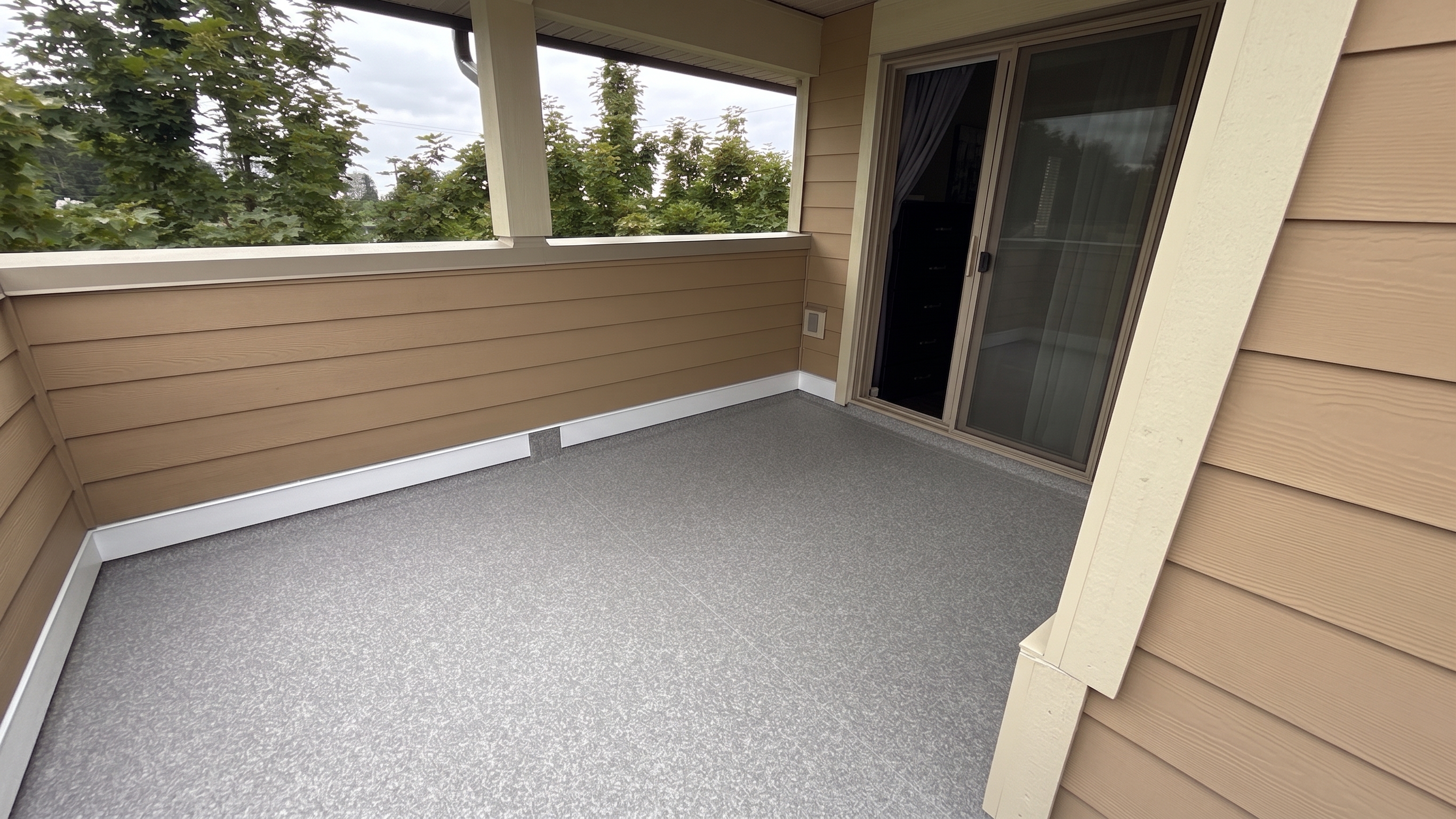
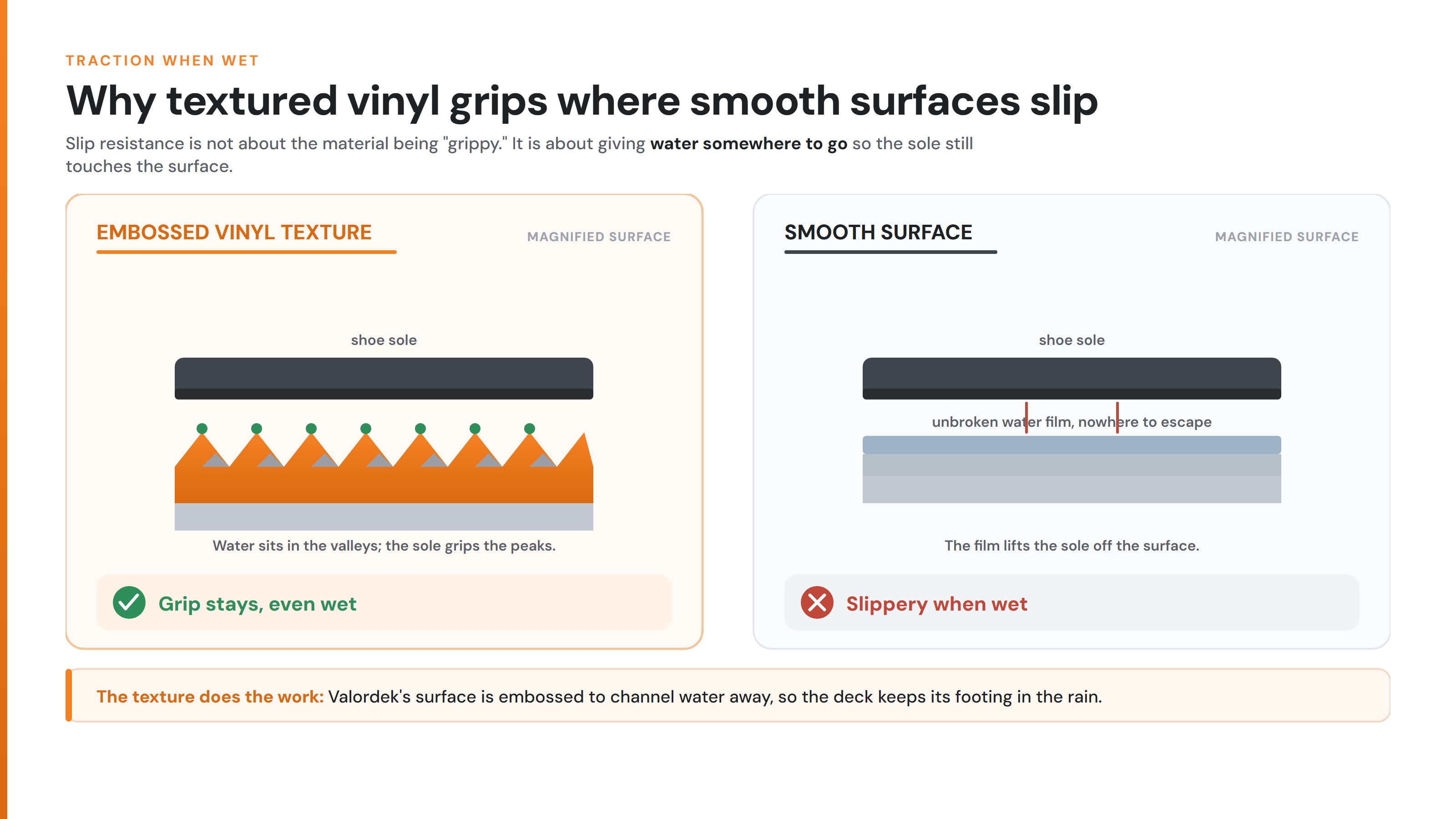
Vinyl deck membrane is manufactured with embossed surface textures that create micro-traction under foot. Unlike smooth indoor vinyl flooring, outdoor vinyl membrane goes through a texturing process during manufacturing that presses patterns into the PVC surface. These patterns serve two purposes: aesthetics (wood grain, stone texture, or classic patterns) and slip resistance.
Valordek manufactures vinyl membranes in three pattern families, each with built-in surface texture:
- Wood Look: Deep wood-grain embossing that replicates natural timber texture. Available in Walnut Plank, Smoke Grey, and Ash Plank.
- Stone Look: Marble-style texturing with subtle surface variation. Available in Marble Grey, Marble Beige, and River Rock.
- Classic Look: Fine-textured solid patterns. Available in 6 colours with both Fuzzy-Back and Smooth-Back product options.
All three style lines provide traction because the embossing creates surface relief that channels water away from the contact point between foot and membrane. This is the same principle behind anti-slip flooring in commercial buildings, applied to an outdoor-rated PVC membrane.
How Does Vinyl Compare to Other Deck Surfaces for Slip Resistance?
Vinyl deck membrane outperforms most common deck surfaces for wet traction because its texture is manufactured into the material, not applied as a coating that wears off over time. Here is how the most common deck surfaces compare.
| Deck Surface | Dry Traction | Wet Traction | Slip Risk Factor |
|---|---|---|---|
| Vinyl membrane (textured PVC) | Good. Embossed texture provides consistent grip. | Good. Texture channels water away from contact. | Algae or debris buildup on neglected surfaces. |
| Wood (cedar, pressure-treated) | Good when new and dry. | Poor. Wood absorbs water and becomes slick. Algae grows in grain. | Wet wood is significantly more slippery than wet vinyl. |
| Composite boards | Good. Textured surface. | Moderate. Capped composites can be slick when wet. | Mould growth between board gaps increases slip risk. |
| Concrete/tile | Good when clean. | Poor to moderate. Smooth concrete and glazed tile are very slippery wet. | Water pooling on flat surfaces. Moss growth. |
| Rubber membrane (EPDM) | Good. Rubber surface has natural grip. | Poor. Smooth EPDM becomes very slippery when wet. | Not designed for foot traffic. No textured options. |
The key difference: vinyl membrane's slip resistance is a manufactured property, not a temporary condition. Wood traction degrades as the surface weathers. Concrete traction depends on the finish. Vinyl membrane traction remains consistent because the texture is embossed into the PVC during production.
What Can Make a Vinyl Deck Slippery?
While vinyl membrane itself is slip-resistant, external factors can reduce traction on any outdoor surface. Understanding these factors helps you prevent slip hazards before they develop.
Algae, mould, and organic film
The most common cause of slippery conditions on any outdoor deck is biological growth. Algae and mould create a thin, slick film on the surface that overrides the membrane's built-in texture. This is especially common in shaded areas that stay damp, in coastal climates, and during spring when organic debris accumulates. Regular cleaning prevents this entirely.
Debris accumulation
Wet leaves, pine needles, pollen, and dirt can create a slippery layer on top of the membrane surface. The membrane underneath is still slip-resistant, but the debris layer between your foot and the membrane reduces contact with the textured surface.
Ice and frost
Ice is slippery on every surface. Vinyl decking rated to -40°C (like Valordek's membranes) handles freeze-thaw cycles without cracking, but ice that forms on top of the membrane creates a slip hazard just as it would on concrete, wood, or any other surface. Use calcium chloride ice melt or sand for traction in winter conditions.
Standing water on flat surfaces
Properly installed vinyl decking includes drainage slope (minimum 1/4 inch per foot) that directs water off the surface. If water pools on a flat area, the standing water can reduce traction. This is an installation issue, not a membrane issue. Proper drainage design prevents standing water.
How to Maintain Slip Resistance on Your Vinyl Deck
Maintaining slip resistance on a vinyl deck requires less effort than maintaining a wood deck. The key is preventing biological film from forming on the textured surface.
Regular cleaning schedule
Clean your vinyl deck with soap and water 2 to 4 times per year. A garden hose, soft-bristle brush, and mild dish soap are sufficient for routine cleaning. For deeper cleaning, use a vinyl deck cleaner approved for PVC membranes. Avoid harsh chemicals, bleach concentrates, or abrasive scrubbers that could damage the surface texture.
Address shaded and damp areas
Areas under planters, furniture, or overhangs stay damp longer and are more prone to algae growth. Move planters periodically, ensure furniture has protective pads, and clean shaded areas more frequently during wet seasons.
Warm weather makes this worse rather than better. Outdoor rugs and rubber-backed mats trap moisture against the membrane right through the hottest months, leaving slick patches and, in some cases, marks that will not clean off. Our summer deck care guide covers what to lift and move before that sets in.
Keep the surface clear
Sweep or blow off leaves and debris regularly, especially in autumn. Organic material that sits on the membrane traps moisture and accelerates biological growth. A leaf blower or broom takes 5 minutes and prevents weeks of buildup.
Annual sealant inspection
Valordek's warranty requires annual sealant inspection and regular cleaning per the Valordek Cleaning Guide. Maintaining sealant integrity at edges and penetrations prevents water from getting under the membrane where it could cause substrate damage. This is a warranty requirement, not optional maintenance.
For the complete routine, see our guide to cleaning vinyl decking and the full maintenance guide.
Is Vinyl Decking Safe for Children and Seniors?
Vinyl deck membrane is one of the safer outdoor surface options for households with children or elderly residents. The continuous, seamless surface eliminates trip hazards from board gaps, raised nails, or uneven planks that are common with wood and composite decking. The textured PVC surface provides consistent traction without the splinter risk of wood decking.
For balconies where children play or seniors relax, the combination of slip-resistant texture, no gaps or splinters, and low maintenance makes vinyl membrane a practical safety choice. The membrane also stays cooler underfoot than dark composite boards or concrete in direct sun, reducing burn risk during summer.
Does Vinyl Decking Get Slippery in Winter?
Vinyl decking does not become slippery from cold temperatures alone. Valordek's PVC membranes are rated from -40°C to 80°C and maintain their surface properties across the full temperature range. The membrane does not become brittle, smooth, or harder in cold weather the way some materials do.
However, ice and frost that form on top of the membrane create slip hazards, just as they would on any surface. In climates with regular freezing temperatures, use these winter safety practices:
- Apply calcium chloride ice melt (avoid rock salt, which can leave residue).
- Sprinkle sand or fine gravel for immediate traction on icy surfaces.
- Use a plastic shovel to remove snow. Avoid metal shovels that could scratch the membrane surface.
- Keep drainage paths clear so meltwater flows off instead of refreezing.
For rooftop applications, Valordek's heat-welded Smooth-Back membrane with fully sealed seams prevents meltwater infiltration even through repeated freeze-thaw cycles. The 15-year waterproofing warranty covers the membrane through Canadian winters.
Common Misconceptions About Vinyl Decking and Slip
"Vinyl flooring is slippery, so vinyl decking must be too"
Indoor vinyl flooring and outdoor vinyl deck membrane are completely different products. Indoor vinyl is designed for smooth, easy-to-clean surfaces. Outdoor vinyl membrane is manufactured with embossed textures specifically for wet-weather traction. The PVC formulation, thickness (60mil to 68mil for Valordek), and surface treatment are engineered for outdoor foot traffic, not indoor aesthetics.
"Smooth-looking patterns must be slippery"
Even Valordek's stone-look and classic patterns have micro-texture embossed into the surface that is not always visible in photos. The texture is subtle enough to look clean and uniform but sufficient to provide traction. Run your hand across any vinyl deck membrane sample and you will feel the surface relief.
"All decking gets dangerously slippery when wet"
This is true for untreated wood and smooth concrete, but not for textured vinyl membrane. A properly maintained vinyl deck in rain provides reliable footing. The surface texture channels water rather than letting it form a continuous film. Regular cleaning (2 to 4 times per year) prevents the organic buildup that causes slippery conditions on any outdoor surface.
Frequently Asked Questions
Is vinyl decking slippery when wet?
No. Vinyl deck membrane is manufactured with embossed surface textures that provide traction in wet conditions. Valordek's vinyl membranes maintain slip resistance when wet because the texture channels water away from the foot-to-surface contact point. Regular cleaning prevents algae buildup that could reduce traction.
Is vinyl decking safer than wood decking?
Yes, in most conditions. Vinyl membrane provides more consistent wet traction than wood, eliminates splinter risk, and has no gaps or raised nails to trip on. Wet wood is significantly more slippery than wet vinyl, as we cover in our vinyl vs wood comparison. Valordek vinyl membranes are rated from -40°C to 80°C and maintain surface properties year-round.
How do you make vinyl decking less slippery?
Keep it clean. The most effective way to maintain slip resistance on vinyl decking is regular cleaning with soap and water 2 to 4 times per year. Remove leaves, debris, and organic buildup that can form a slick film over the textured surface. Address shaded, damp areas more frequently.
Can you use ice melt on vinyl decking?
Yes. Use calcium chloride ice melt on vinyl deck membranes. Avoid rock salt, which can leave residue. Sand or fine gravel provides immediate traction on icy surfaces. Use a plastic shovel for snow removal to avoid scratching the membrane surface.
Does vinyl decking meet building code slip requirements?
Vinyl deck membranes are tested and certified for walkable surfaces. Valordek's products are CCMC and Intertek tested, exceeding code 37.54.95 requirements. The 68mil Fuzzy-Back carries CCMC certification and the 60mil Smooth-Back carries Intertek certification with Class A and C fire ratings.